09.02.2026 From Seed to Serving: A Three-Day Rice Unit Study

What does it really take to bring rice from the field to our table?
For three days, LHN learners ages 5 to 16 explored this question through a hands-on Rice Unit Study that brought together literature, life skills, science, agriculture, history, and real-world experience. Rather than simply learning about rice, the learners had the opportunity to see, touch, prepare, harvest, and understand the journey of one of the most important foods on our table.
Day 1 — The Story Behind the Grain
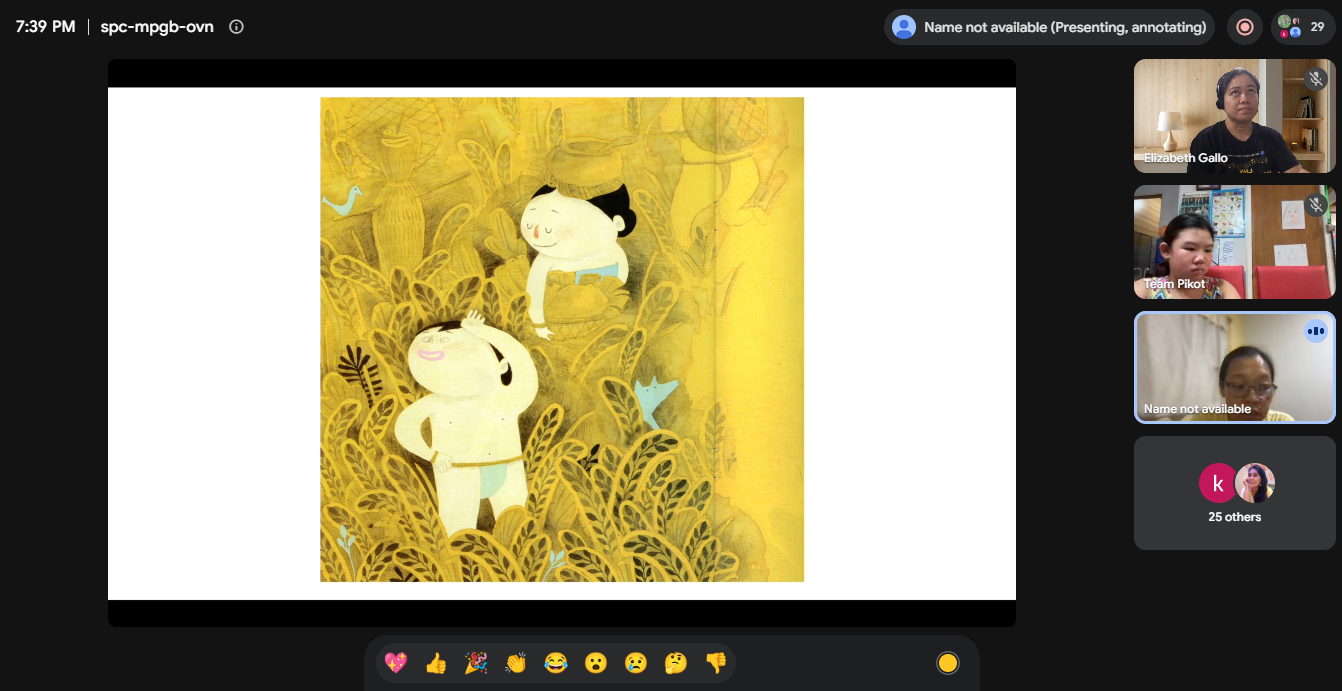
Our learning journey began with an online read-aloud of “Alamat ng Palay.” Through the Filipino legend, learners discovered the story of how rice came to be and were introduced to the cultural significance of this staple food.
The story became a meaningful starting point for asking bigger questions: Where does rice really come from? Who grows it? What happens before it reaches our plates?
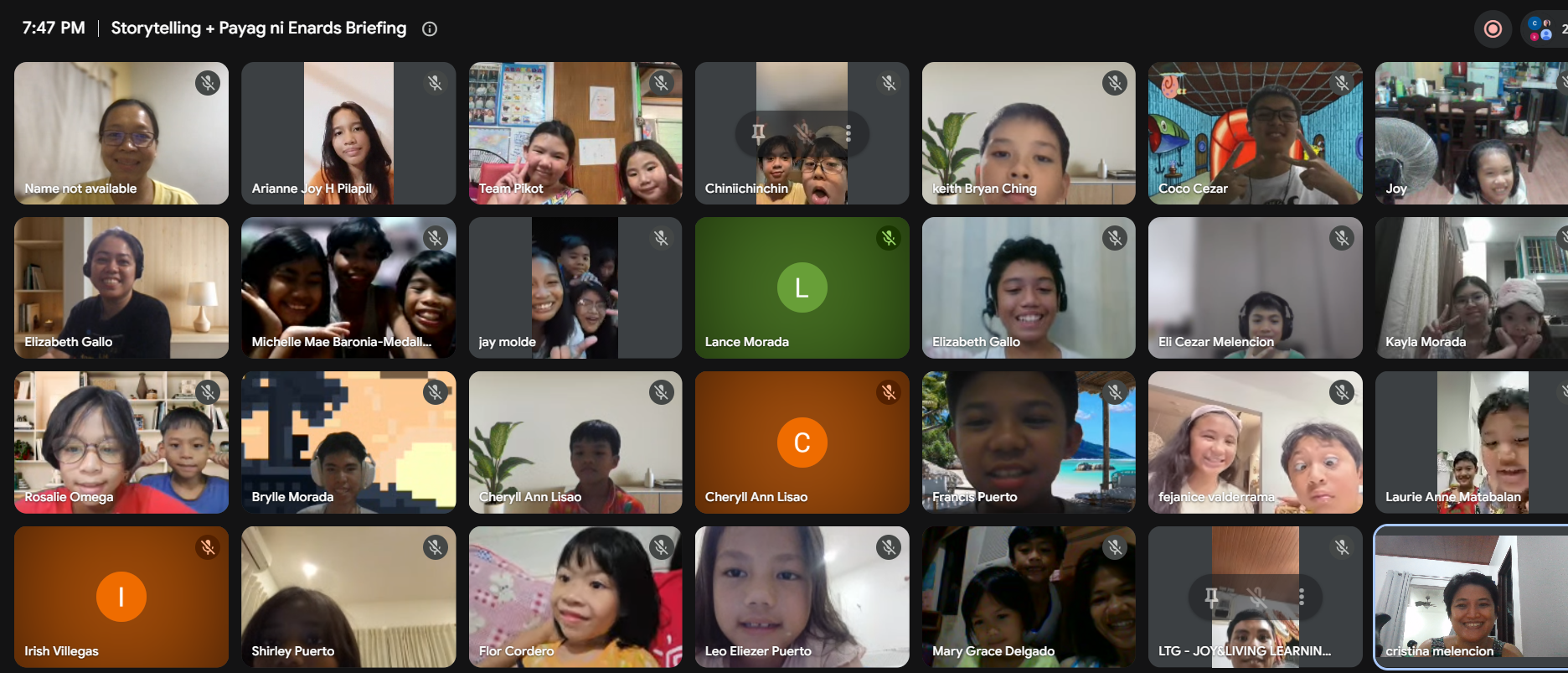
Before the field experience, learners were also briefed on rice-field safety, preparing them for their upcoming visit and teaching them that meaningful exploration also requires responsibility and awareness.
Day 2 — From Learning to Life Skills
On the second day, learners prepared their own things for the field experience, practicing responsibility, preparation, and independence.
But the learning did not stop there.
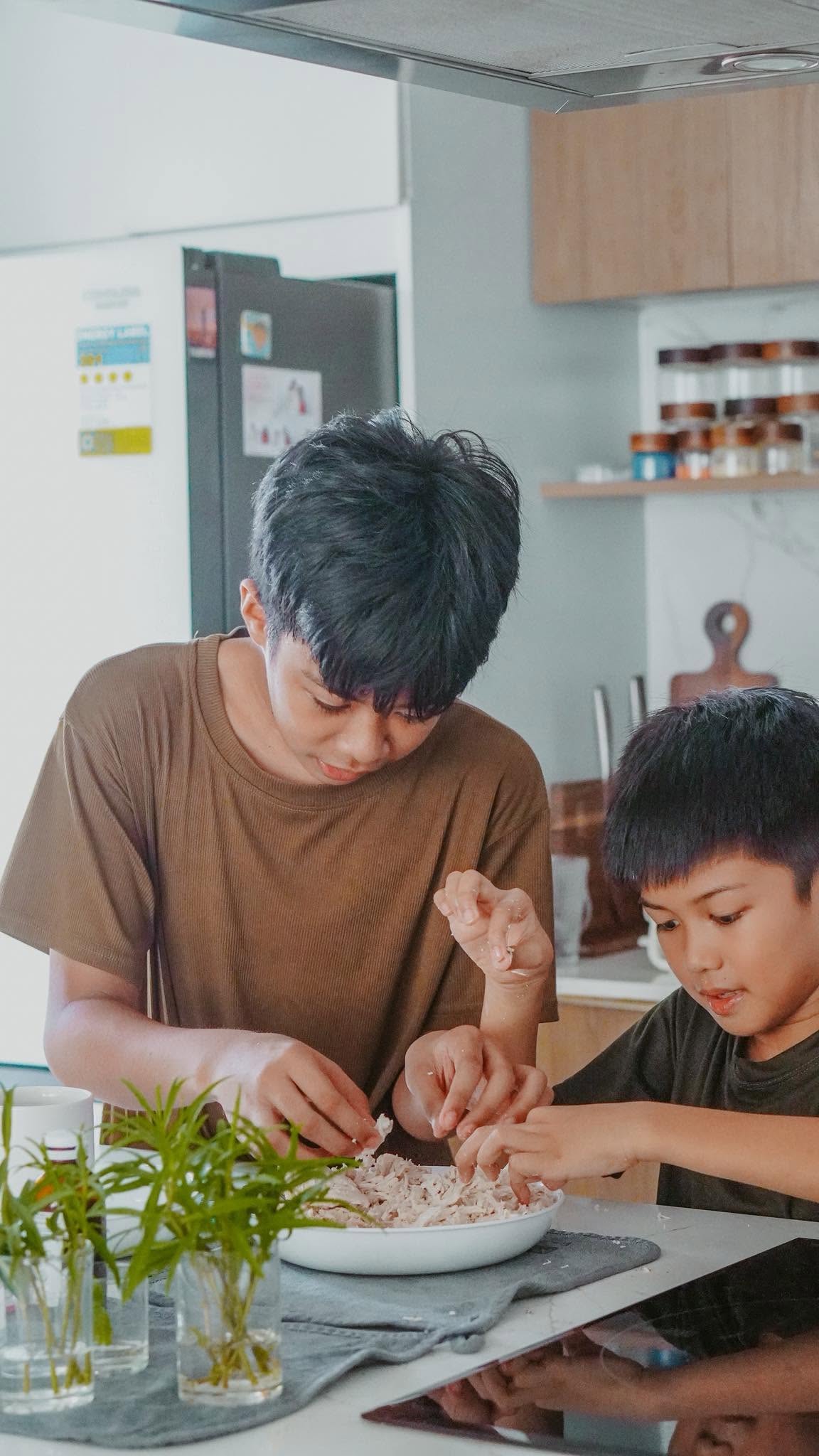
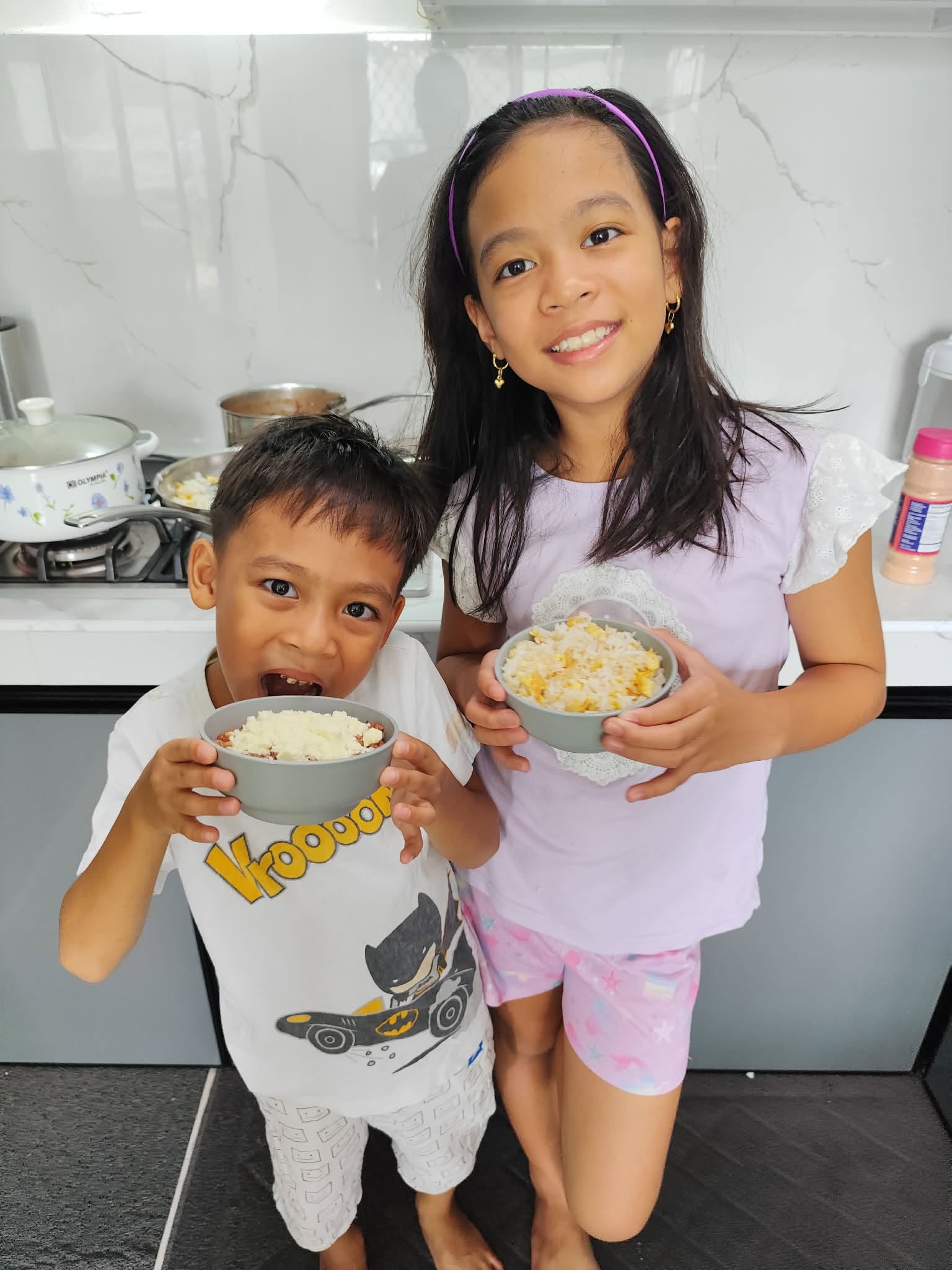
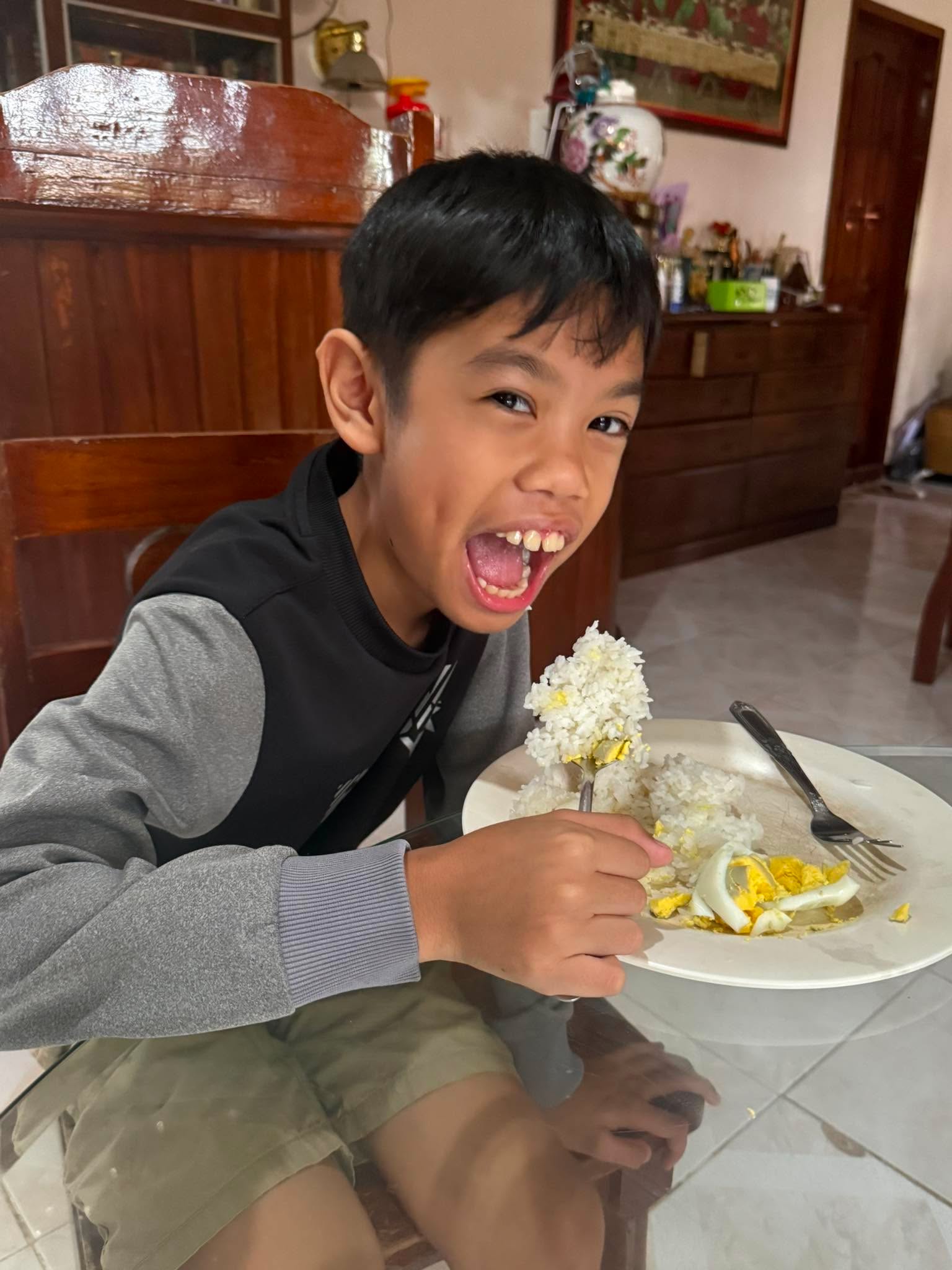
Each learner was challenged to cook or learn how to cook rice—a simple but essential life skill. Older and more advanced learners took the challenge further by exploring the many foods that can be made from rice, including biko, champorado, onigiri, suman, and more.
Through this activity, rice was no longer simply something they ate. It became something they could understand, prepare, and appreciate.
Day 3 — From the Field to the Table
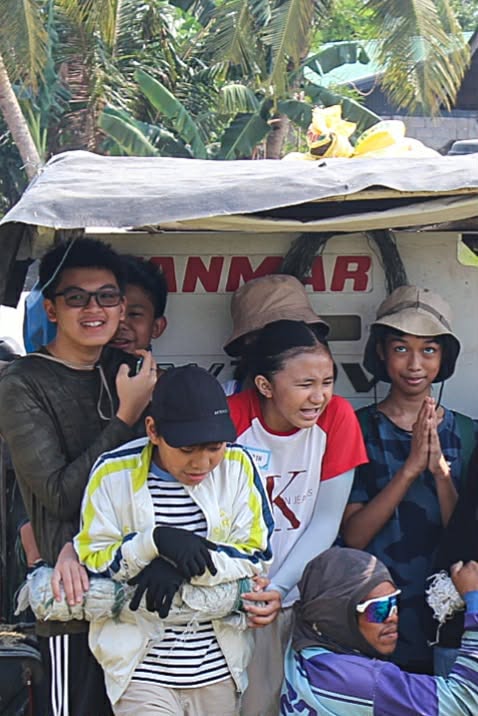
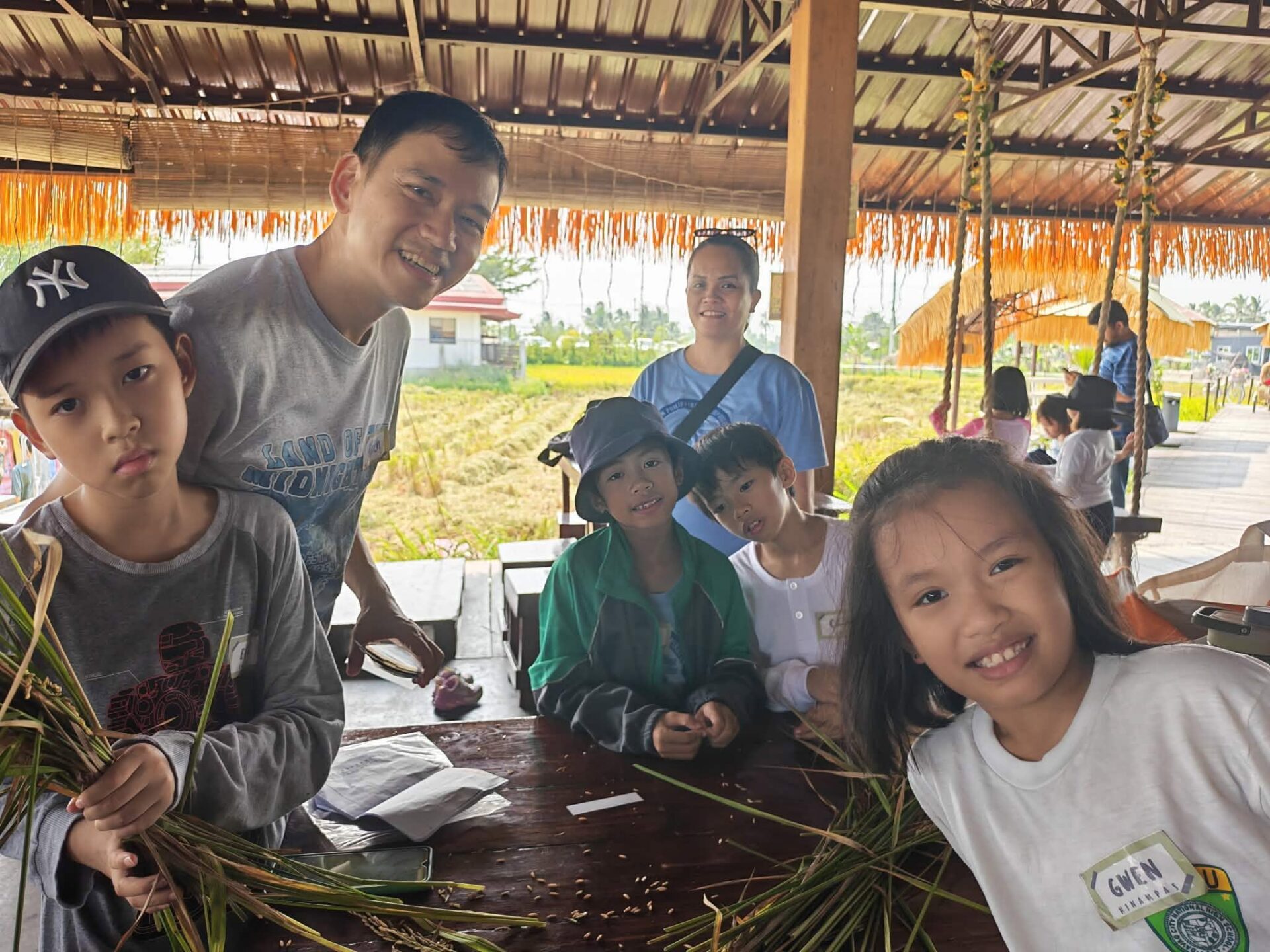
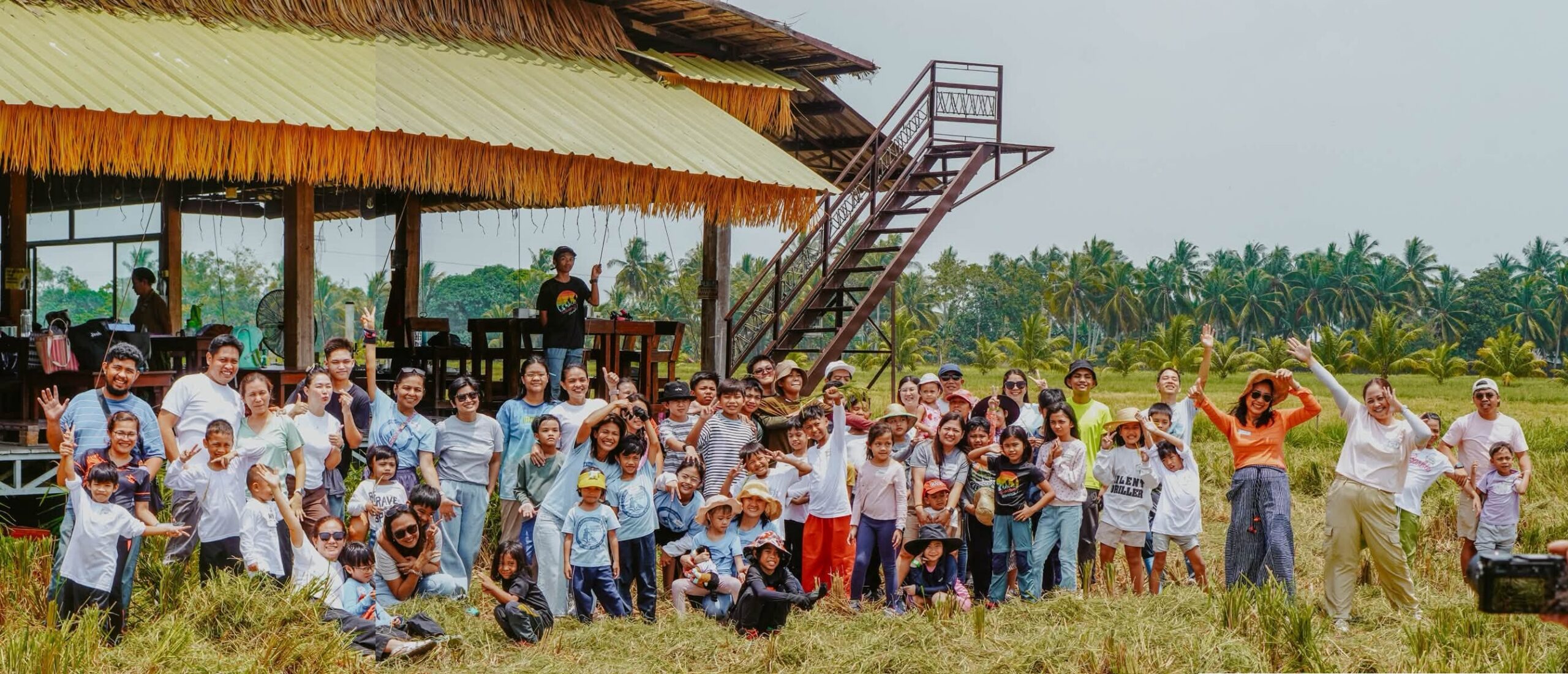
Then came the day everyone had been waiting for—harvest day!
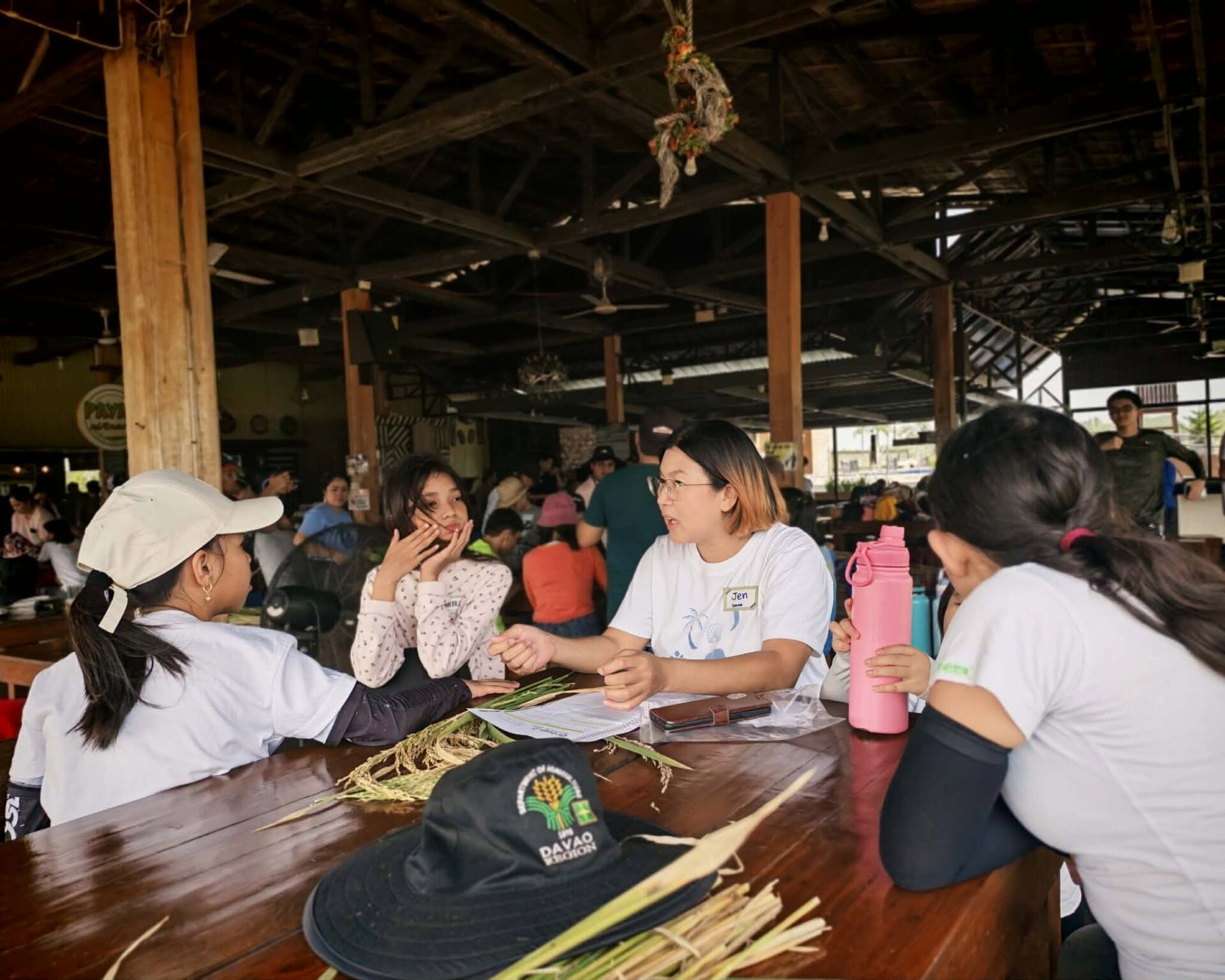
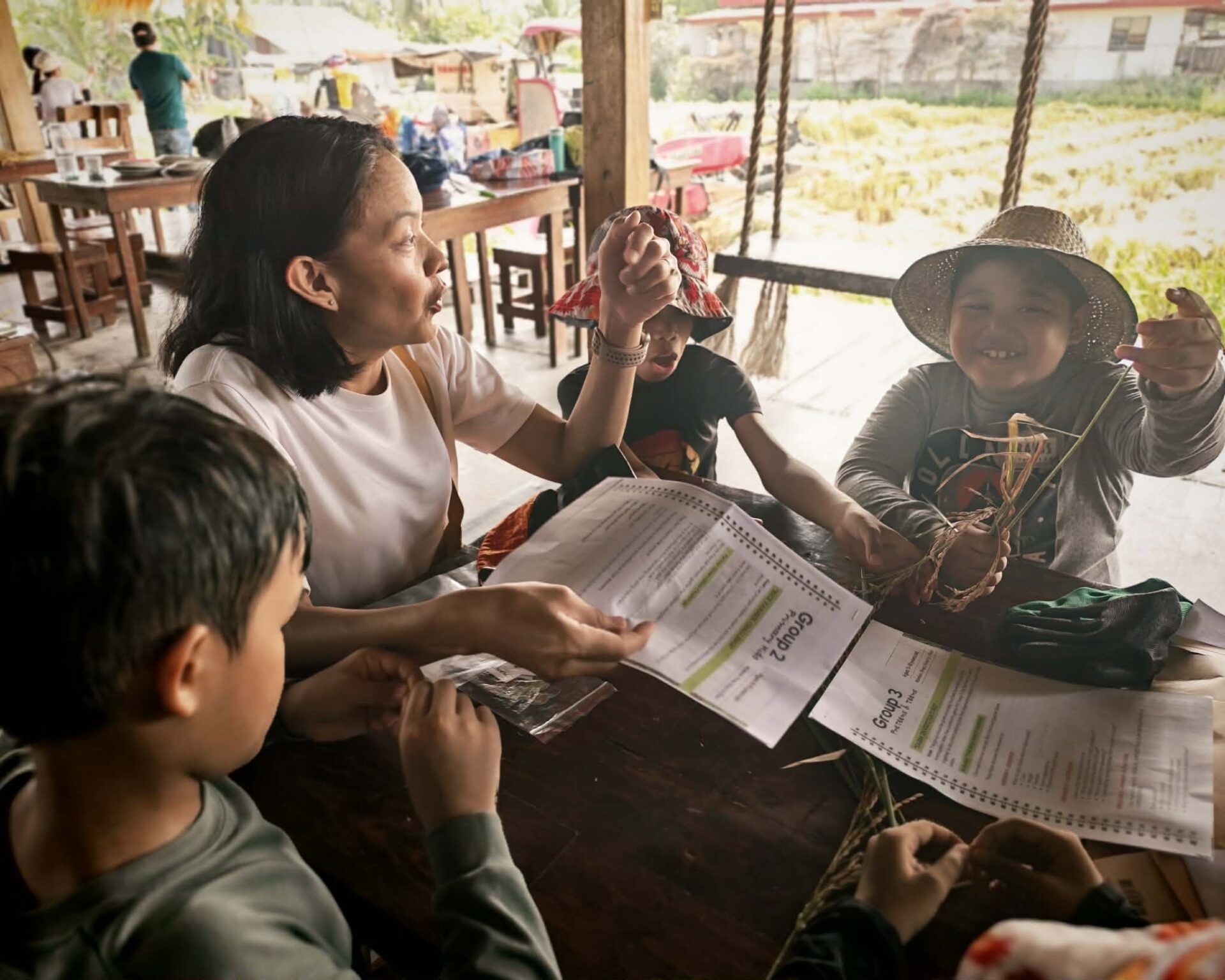
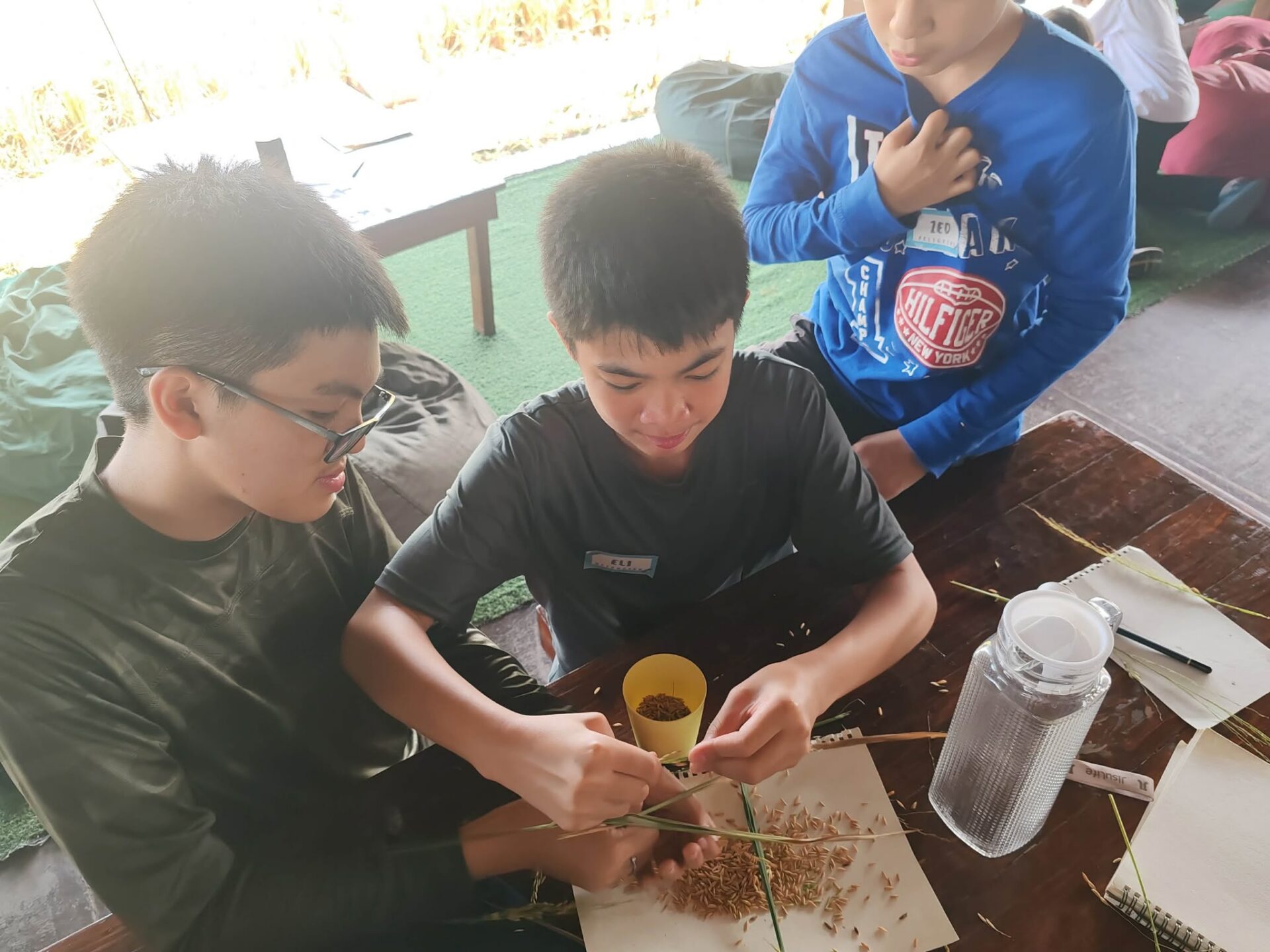
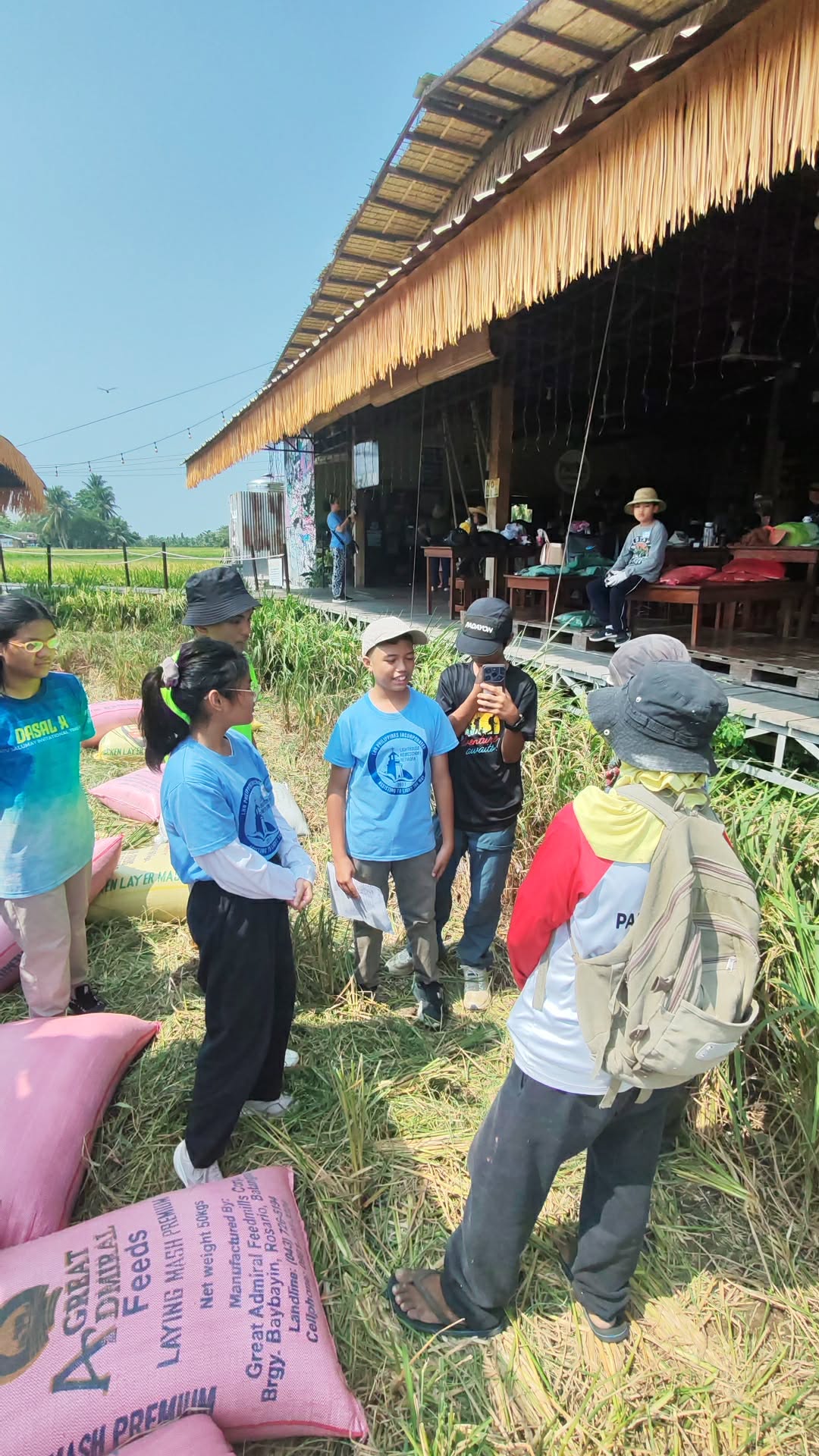
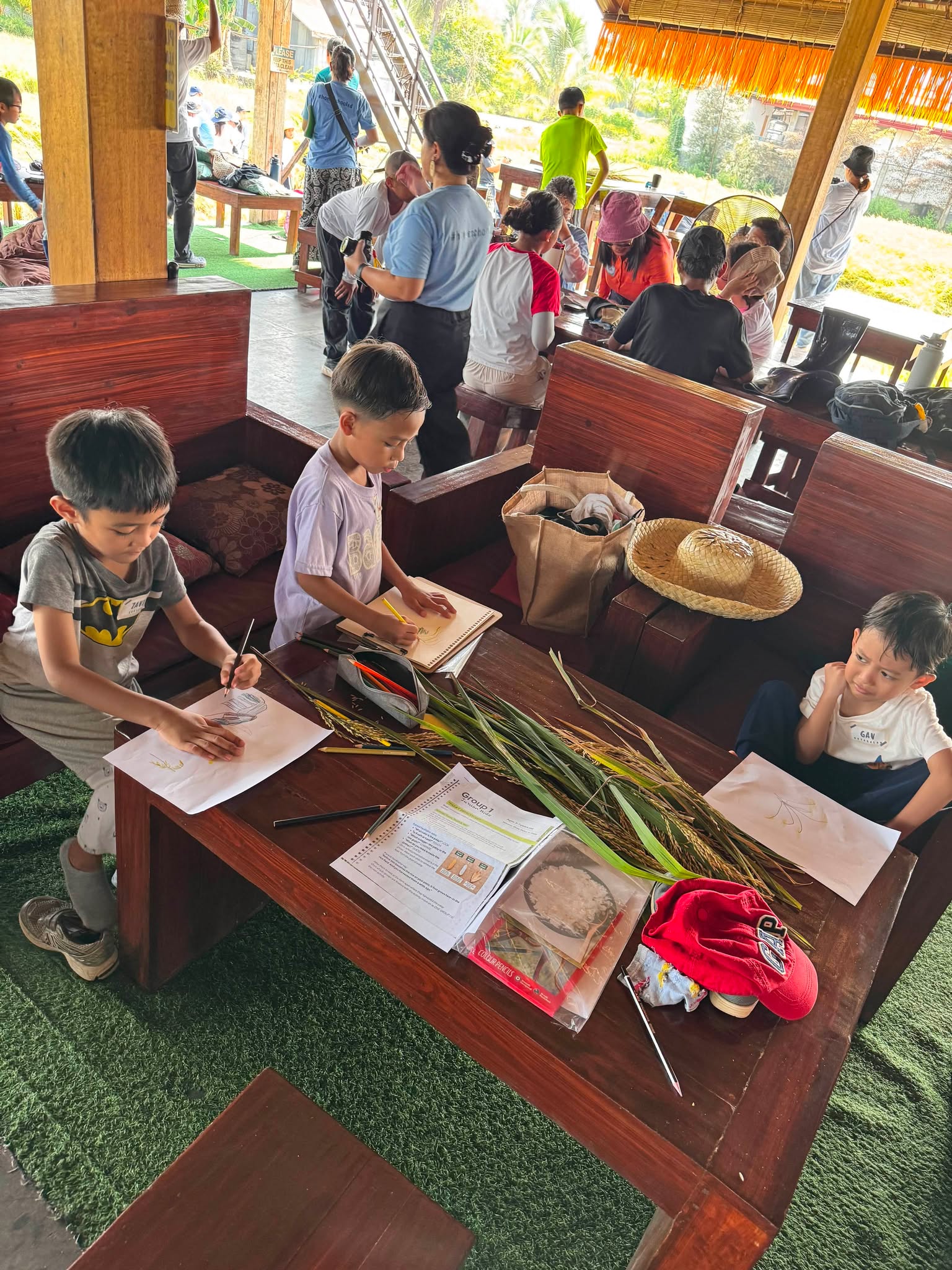
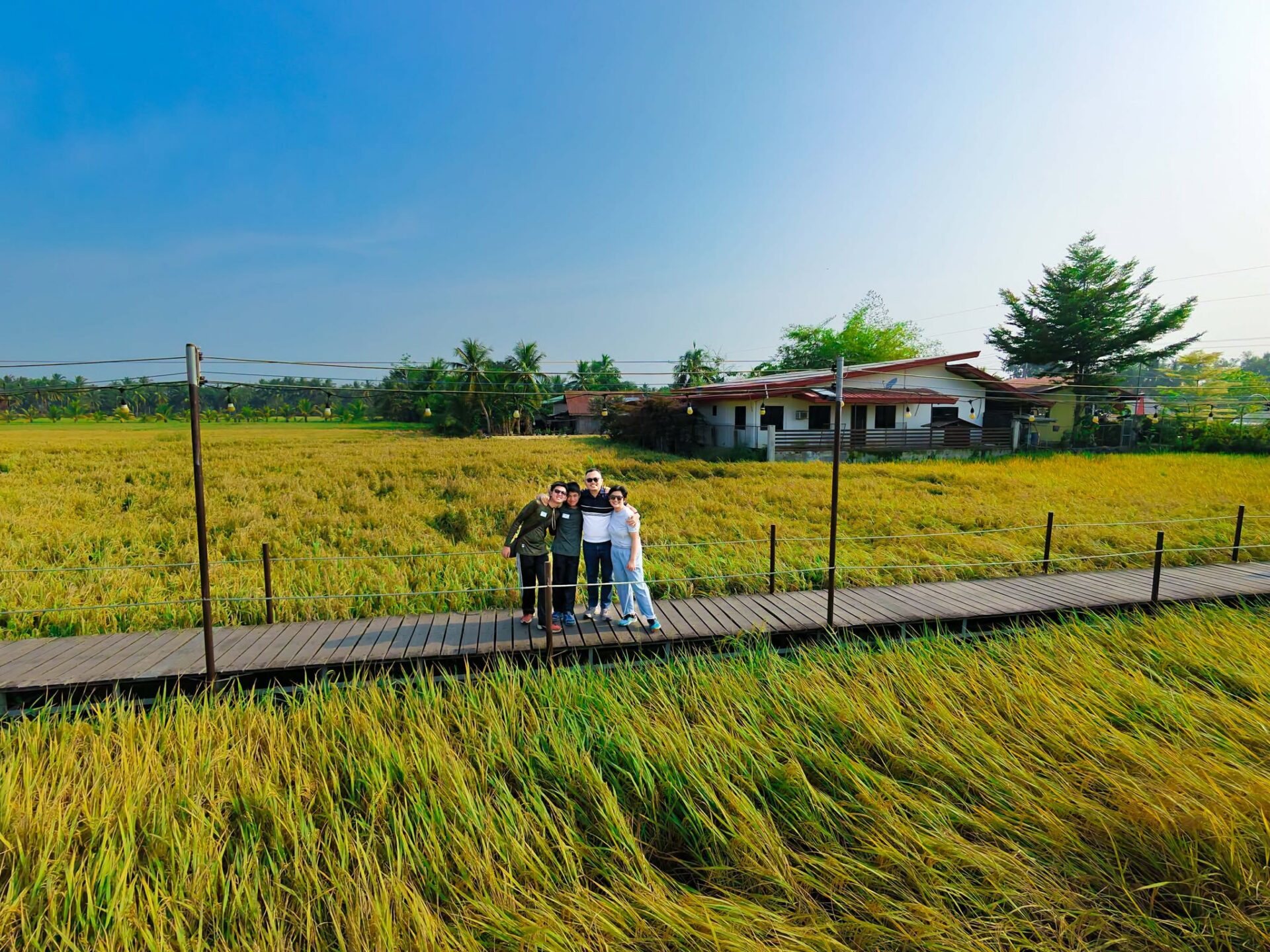
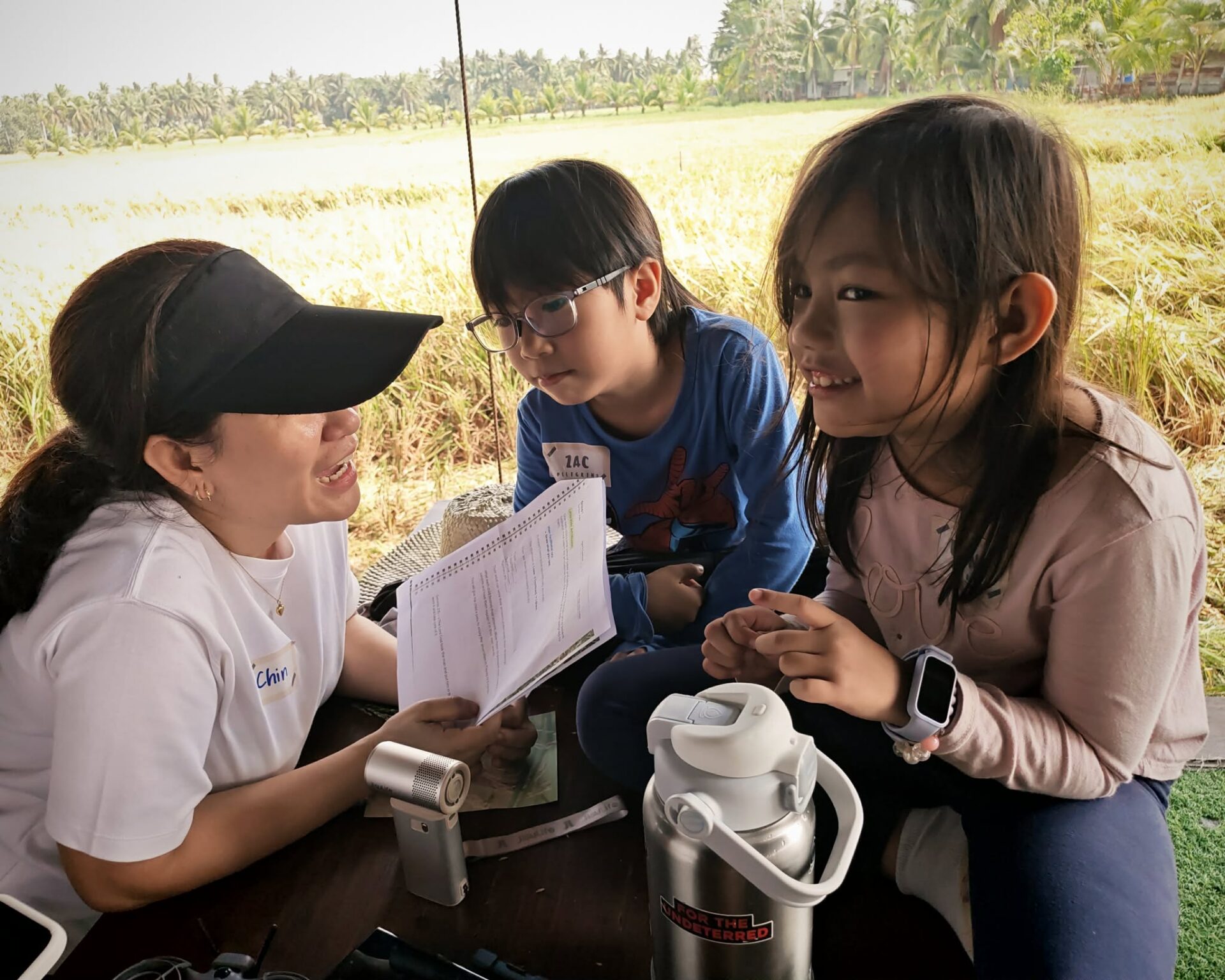
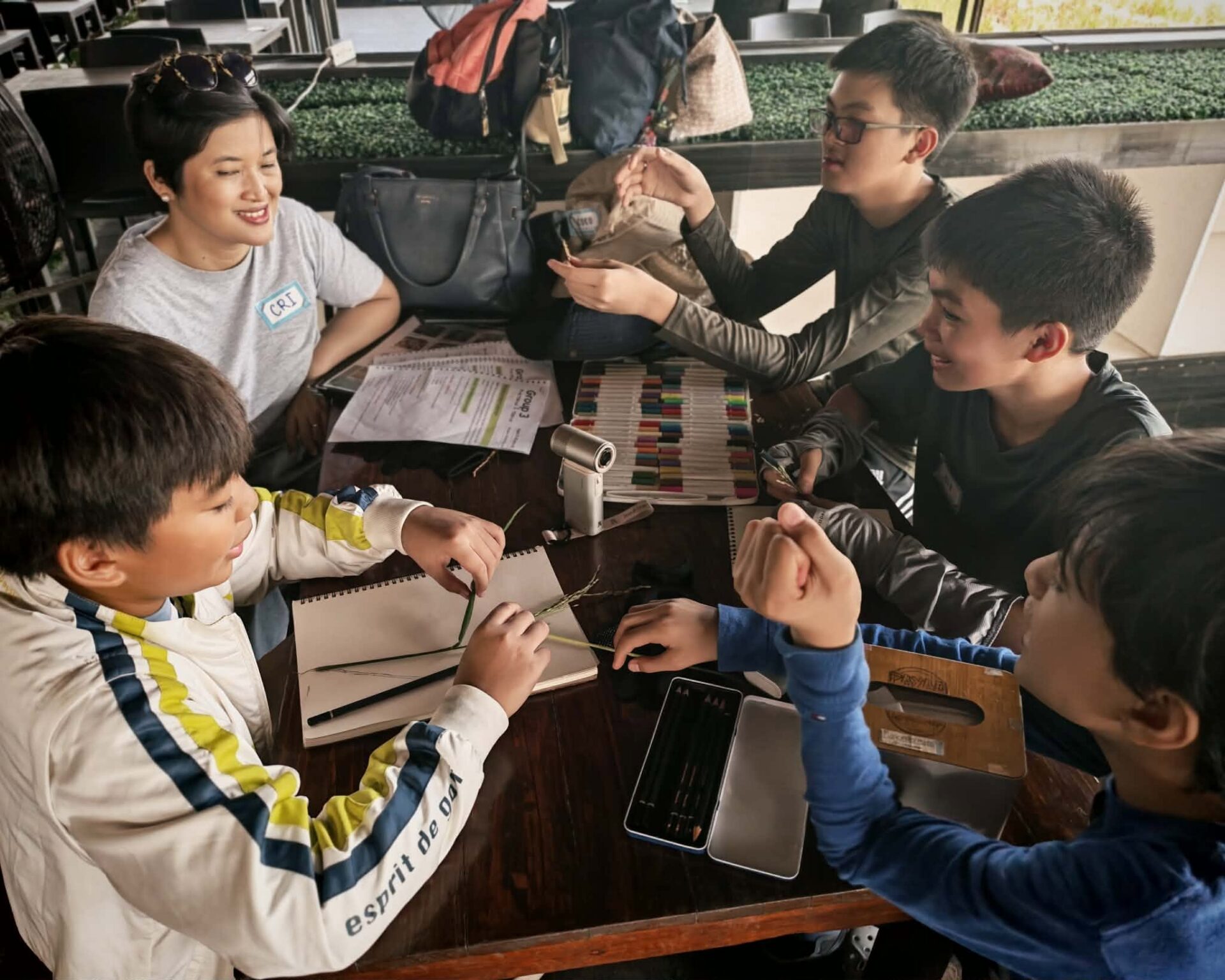
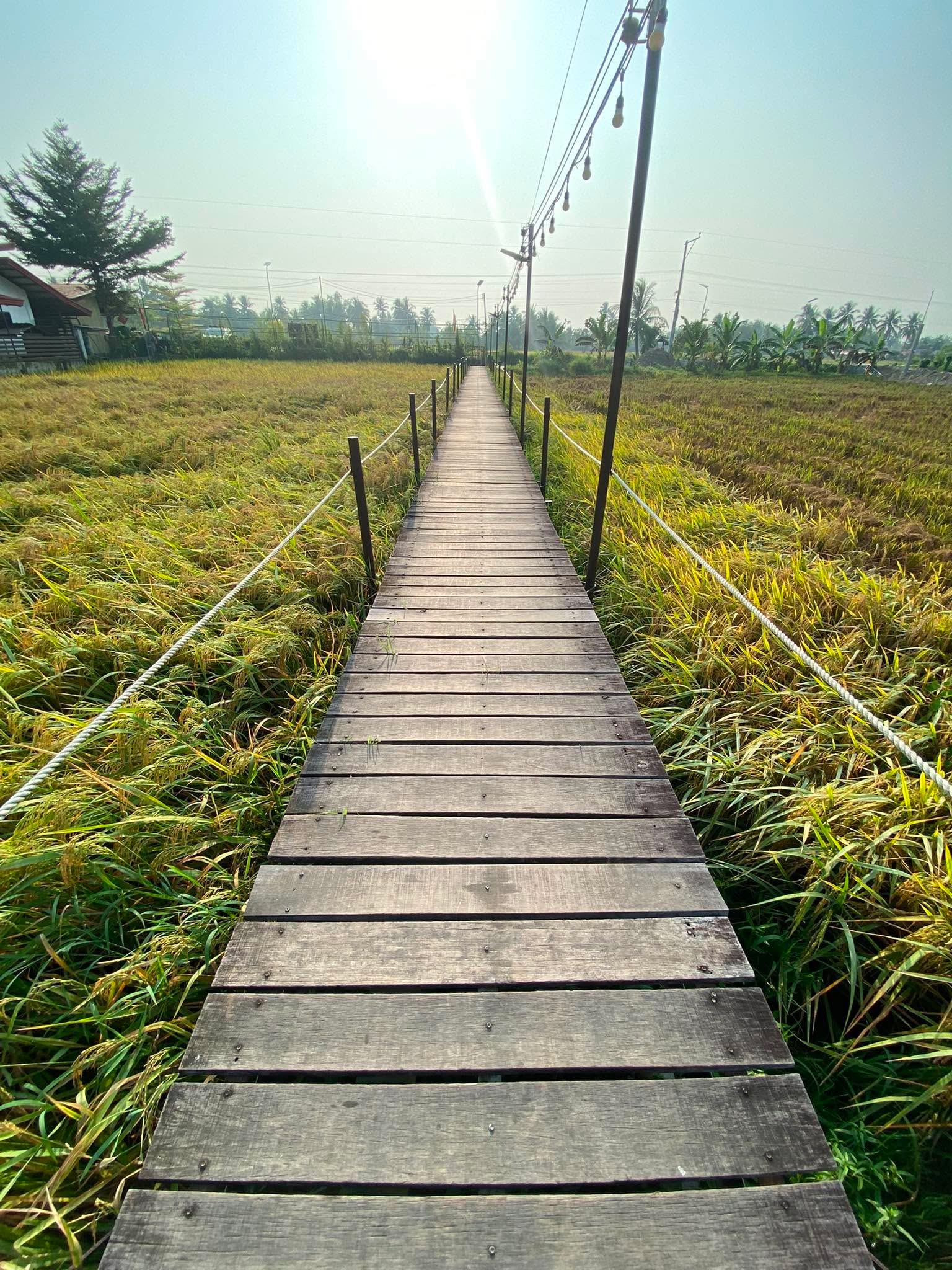
At the farm, learners were divided into groups and assigned to parent-teachers who guided them through age-appropriate learning tasks.
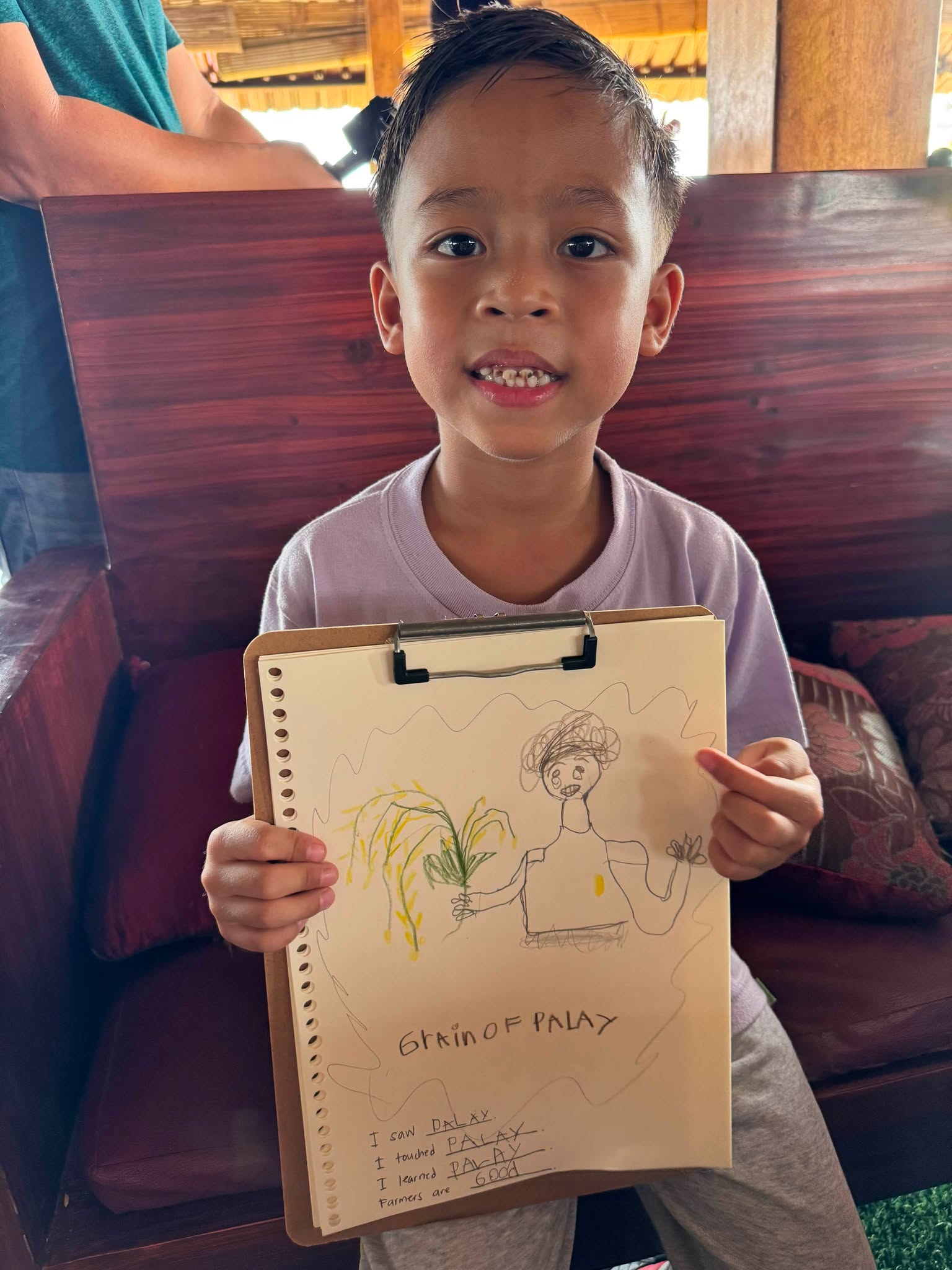
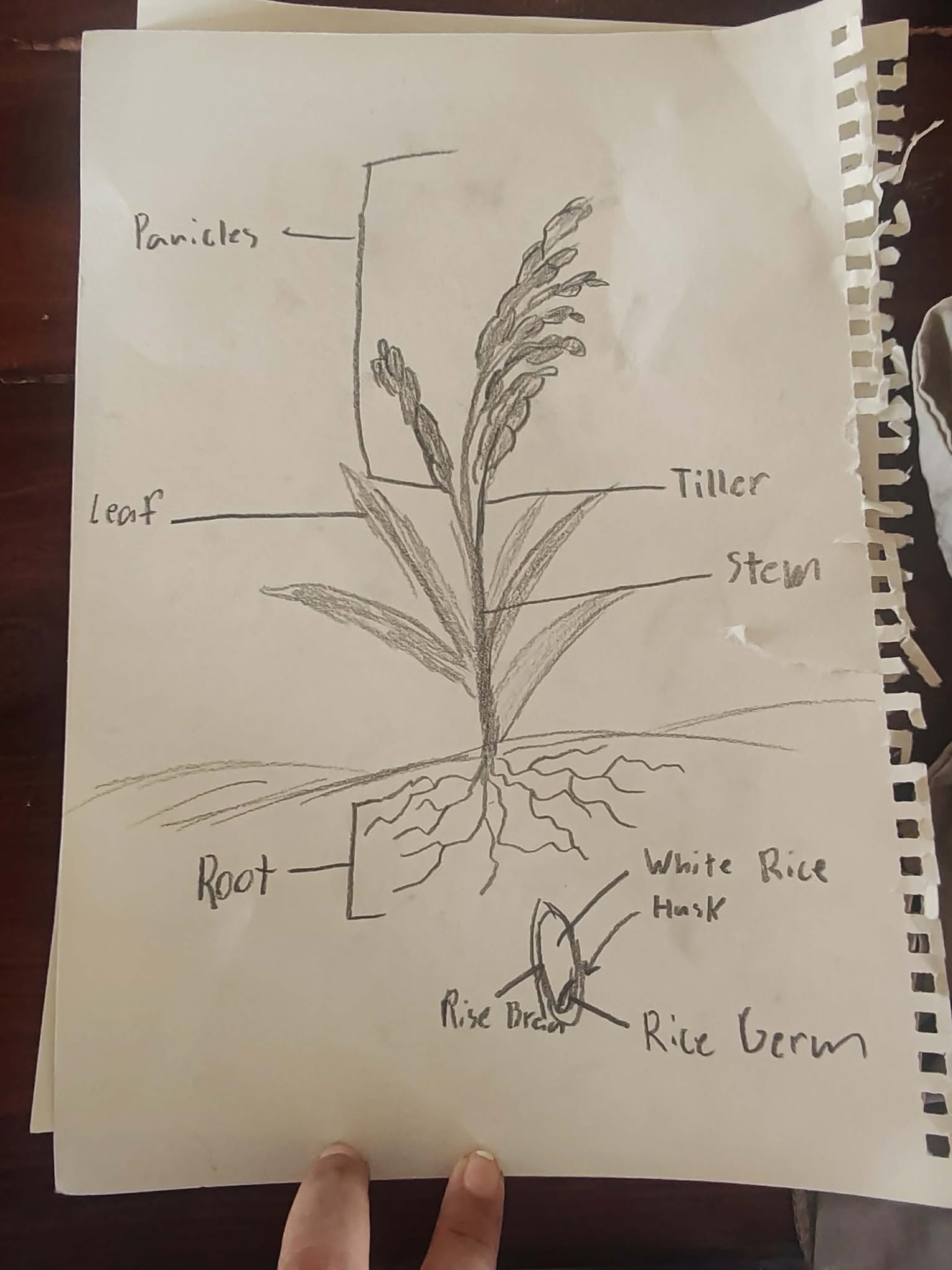
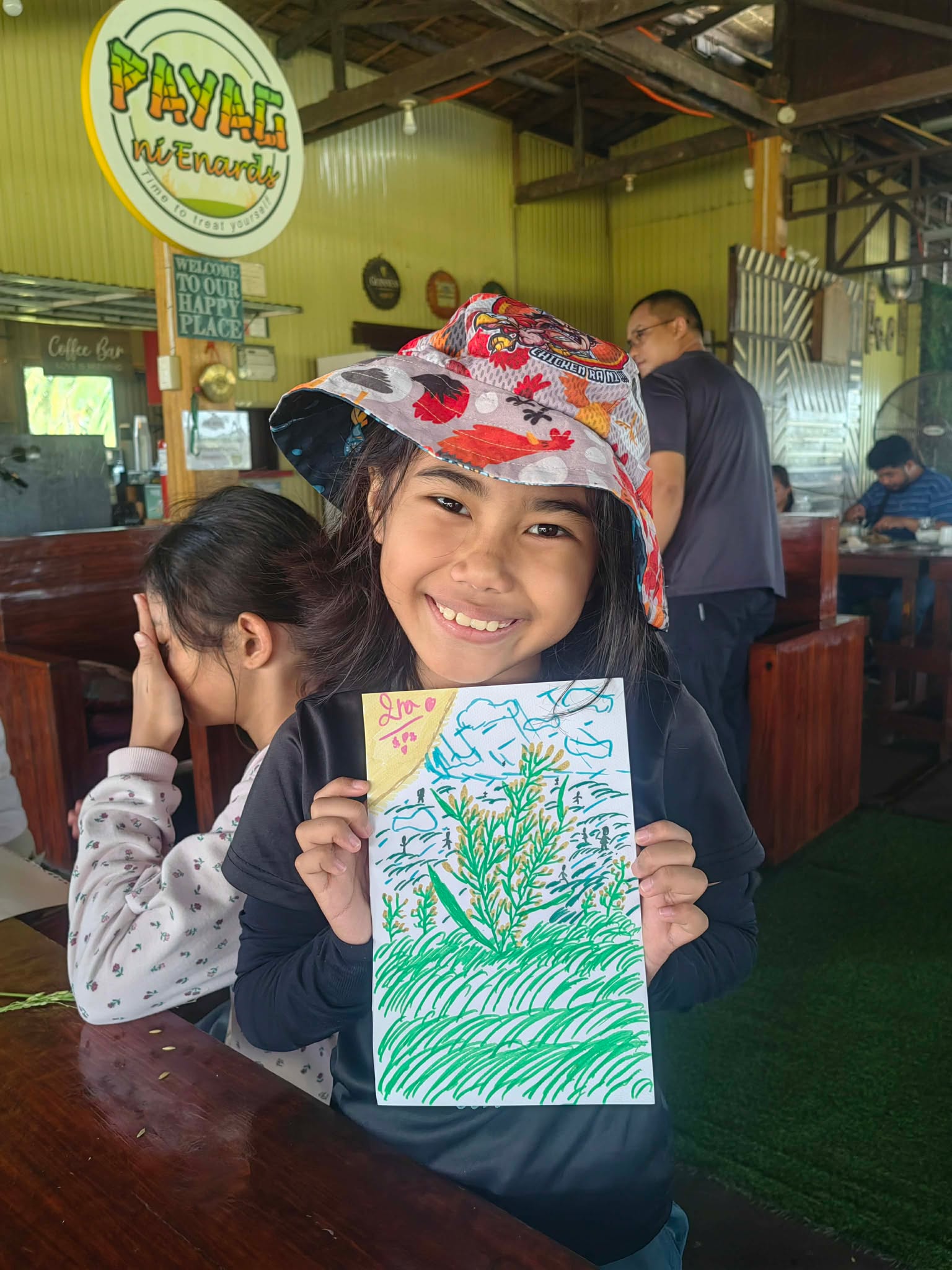
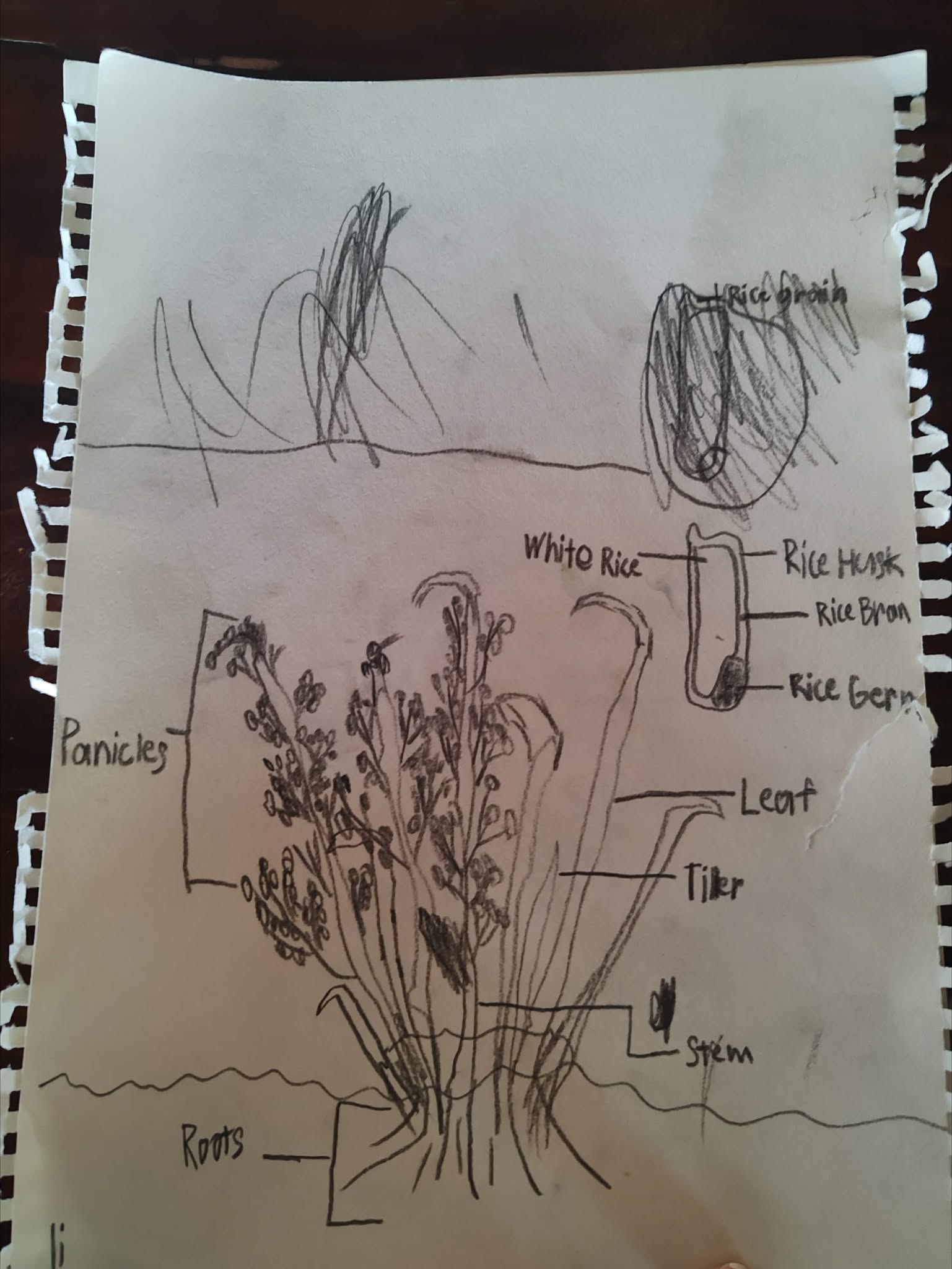
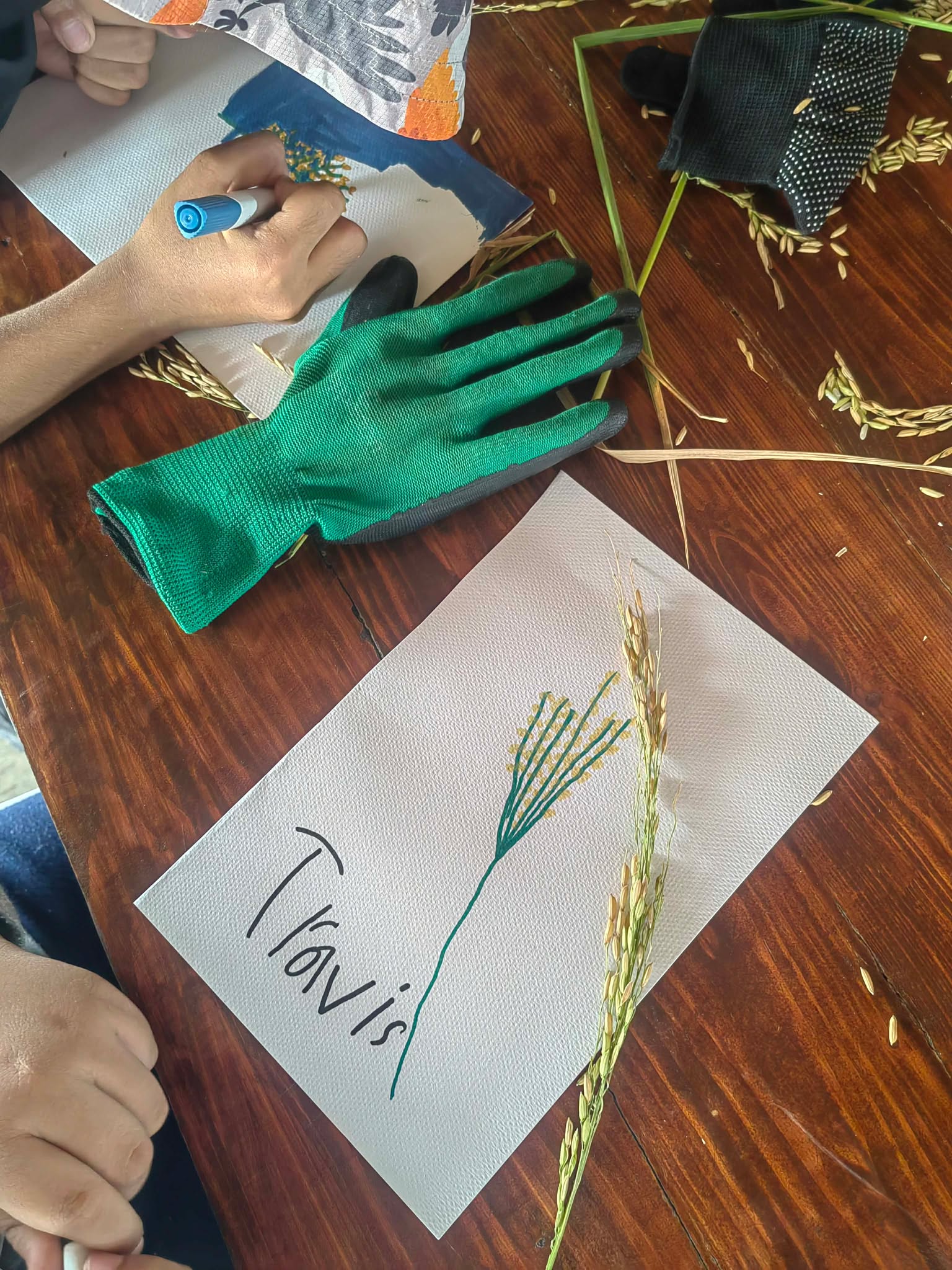
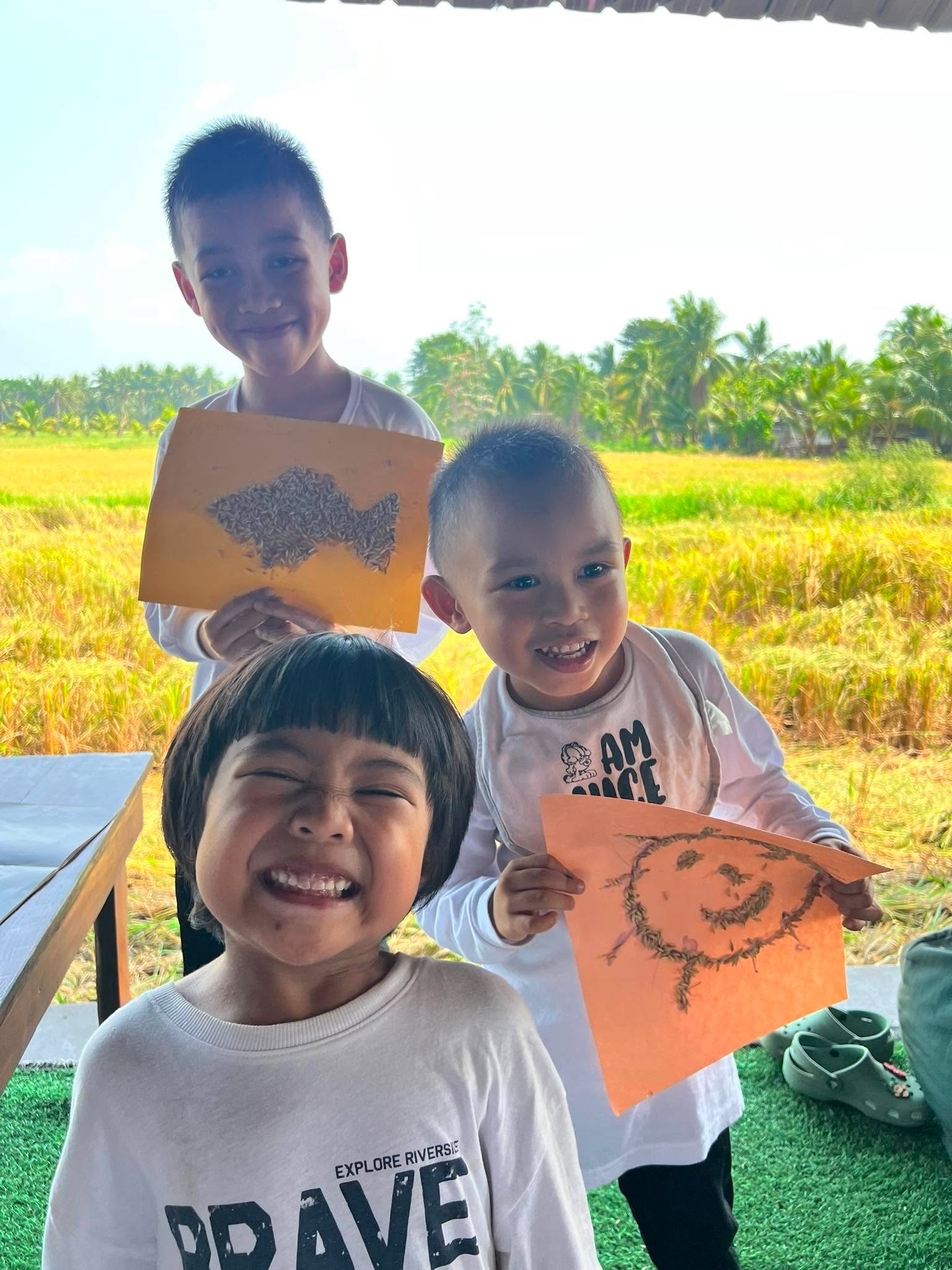
Our youngest learners observed the farm and drew what they saw, turning their observations into visual expressions of learning.
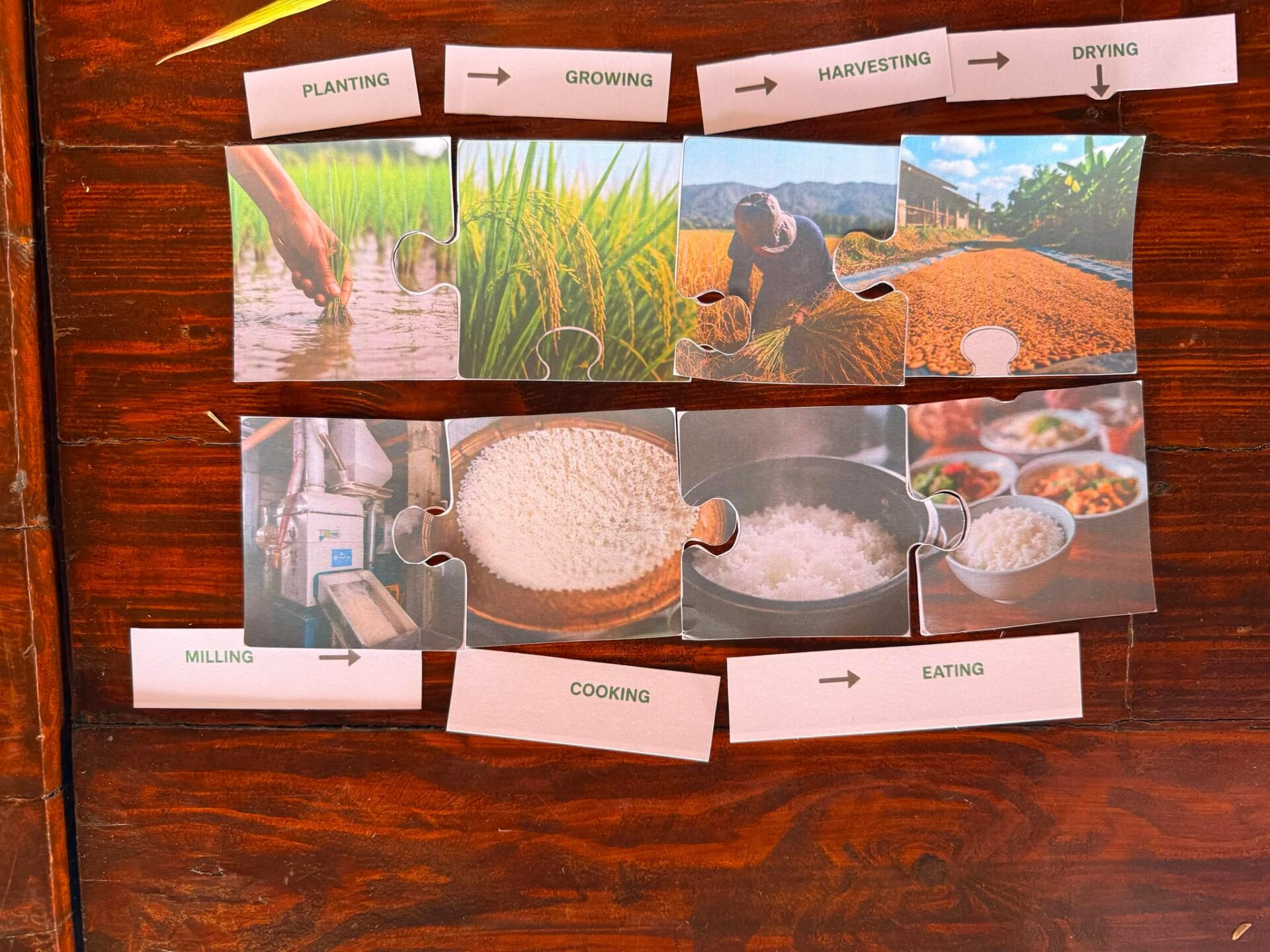
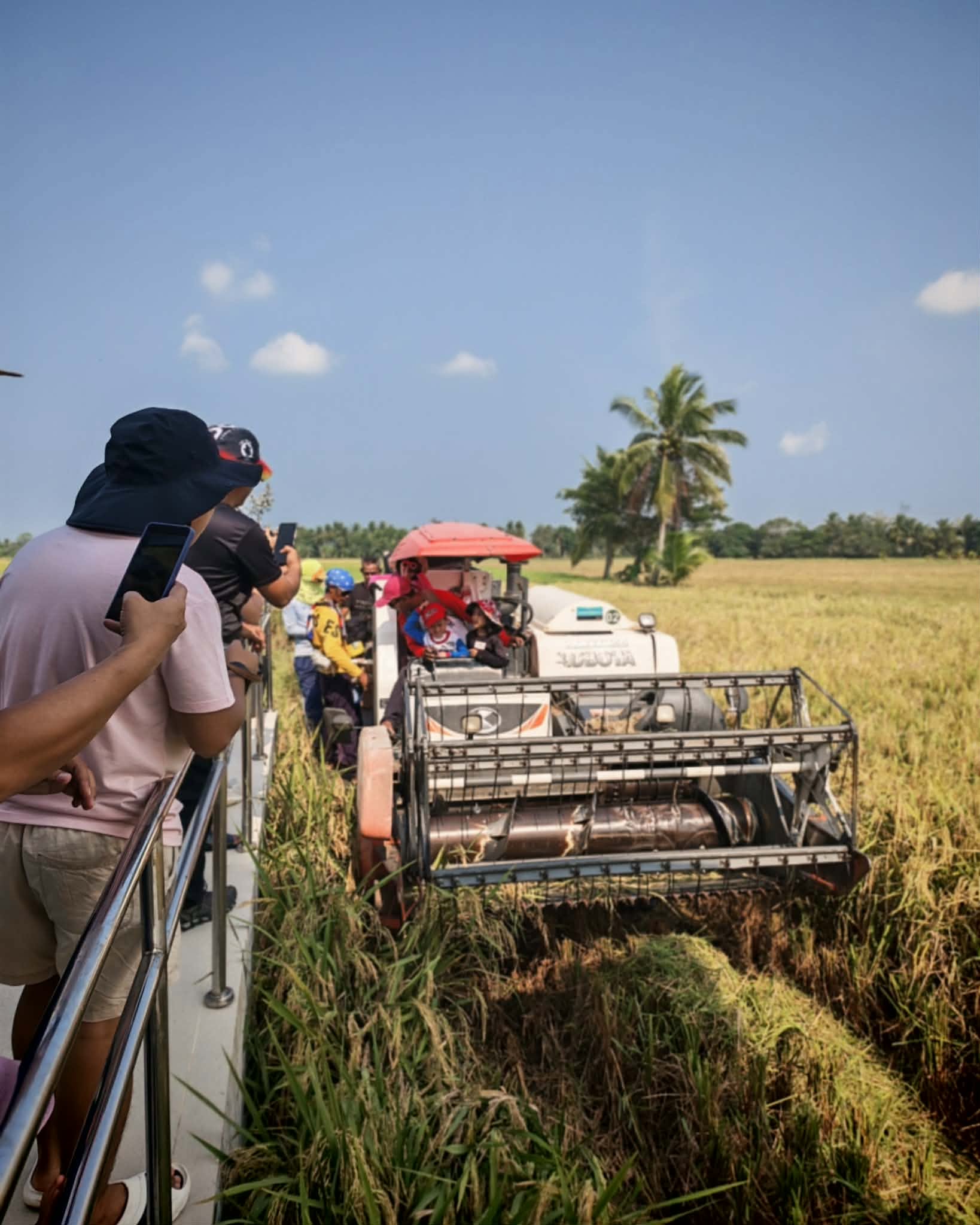
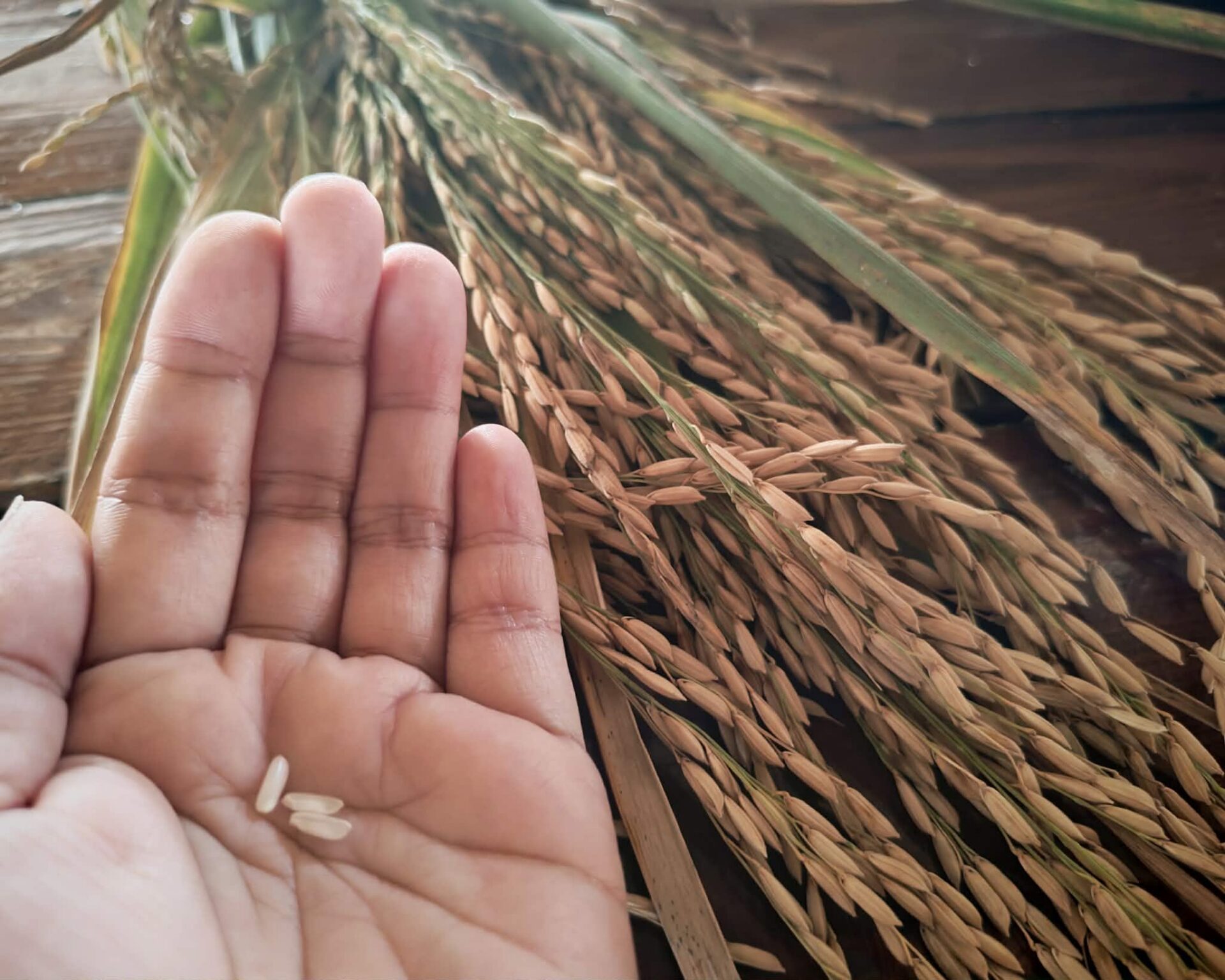
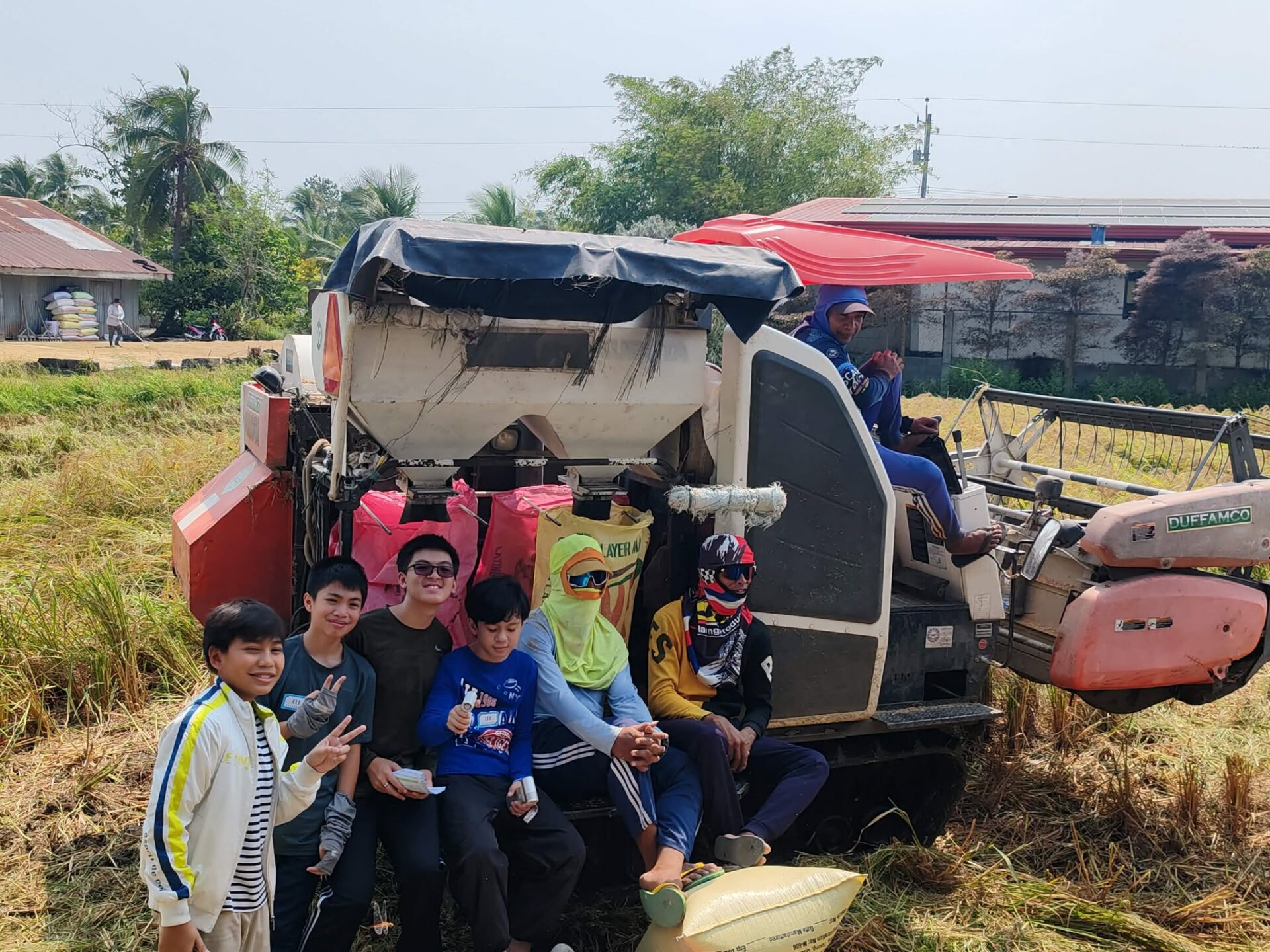
Other learners explored the journey of rice—from planting, growing, harvesting, and processing to milling. Some interviewed actual farmers and discovered how traditional methods compare with modern ways of planting and harvesting.
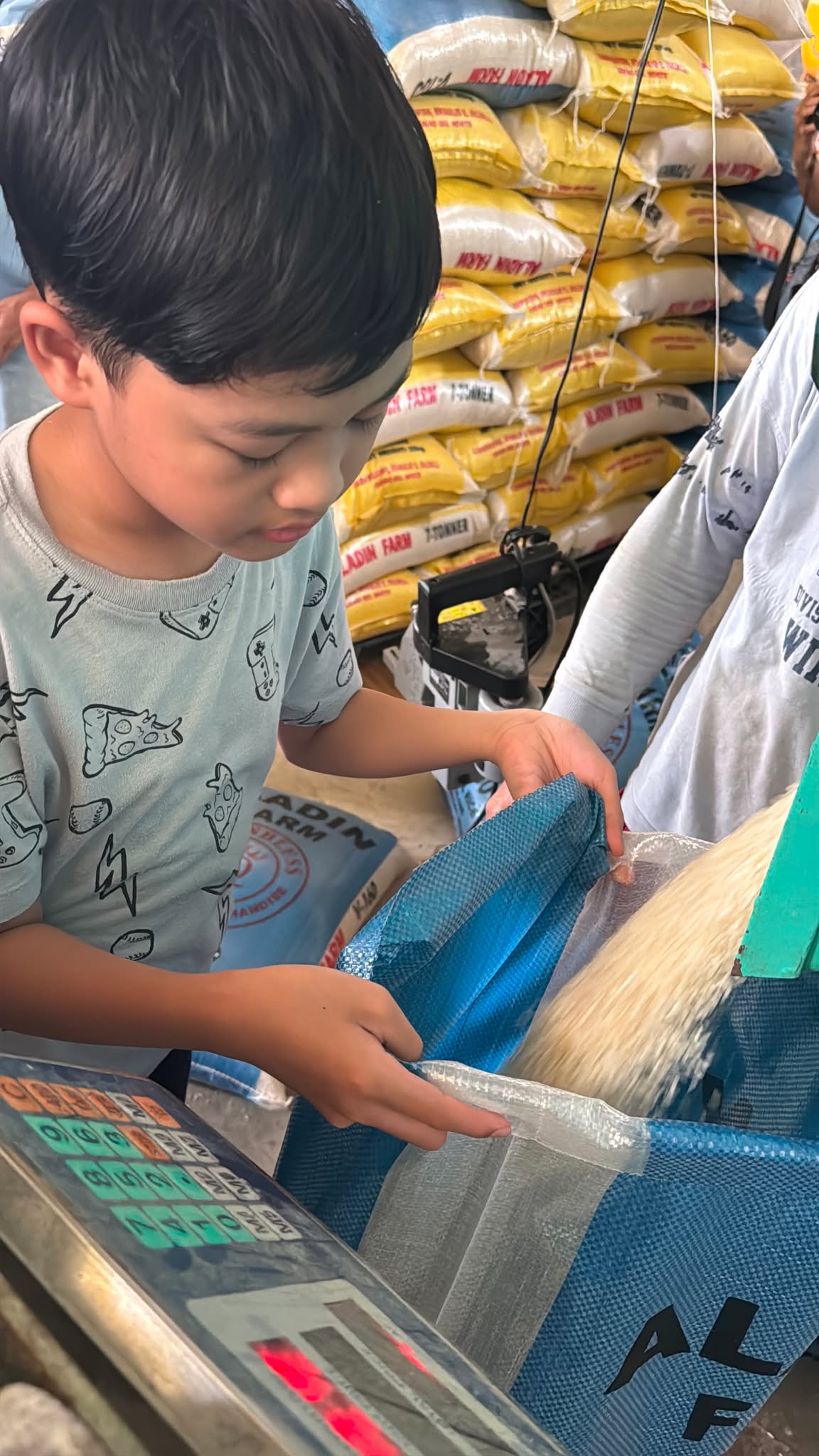
Others had the opportunity to visit the rice milling facility, giving them another perspective on what happens after the harvest. Learners also experienced the simple but meaningful work of packing harvested rice into sacks.
Every group had a different task, but everyone was learning the same important lesson:
The rice on our table has a story.
It is a story of farmers, soil, water, seasons, hard work, technology, and community.
Learning That Became an Experience
This unit study showed us that homeschooling does not have to be confined to books and worksheets. A story can lead to a question. A question can lead to an experience. And an experience can turn into knowledge that learners remember.
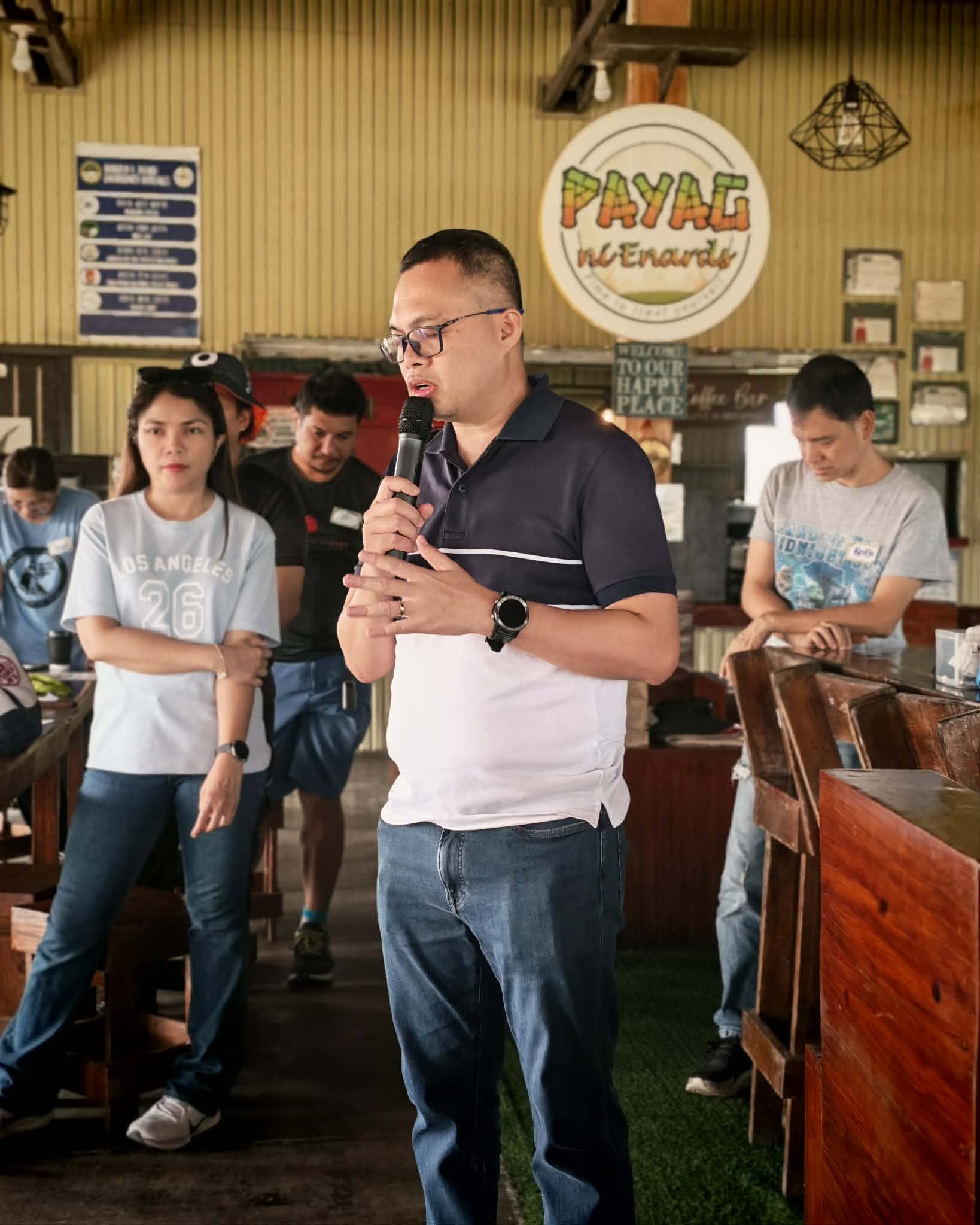
We are deeply grateful to Payag ni Enards for generously opening the farm to the LHN community and allowing our learners to experience the rice harvest firsthand.
Thank you as well to all our parent-teachers who facilitated their assigned groups, guided the learners, and helped reinforce the lessons throughout the experience.
Most of all, thank you for allowing our children to see that the food on their plates is connected to the hands and hard work of people in the field.
Until the next planting and harvesting season! 🌾
To God be the glory!